
Gait training, an essential component of physical therapy, focuses on improving the way you walk, enhancing balance, and restoring mobility. Gait training employs numerous targeted techniques to address abnormalities, promote proper walking mechanics, and prevent compensatory patterns that can lead to further injury.
Seeking expert guidance on gait training? Contact Professional Therapy Services in Texas or Integration Therapy in Santa Fe today to take confident steps toward improved mobility and independence.
Empowering Mobility: The Essentials of Gait Training
Gait training is a multifaceted process tailored to individual needs, employing a variety of exercises, assistive devices, and therapeutic techniques to achieve the best outcomes in walking functionality.
Core Techniques in Gait Training and Rehabilitation
Assessment and Analysis
- A thorough evaluation of your current walking pattern is the first step, allowing therapists to identify specific areas of improvement, such as stride length, speed, and symmetry.
Strength and Balance Exercises
- Strengthening the muscles involved in walking and enhancing balance are crucial for developing a stable and efficient gait. Exercises may include leg lifts, squats, and balance activities on uneven surfaces or using balance boards.
Use of Assistive Devices
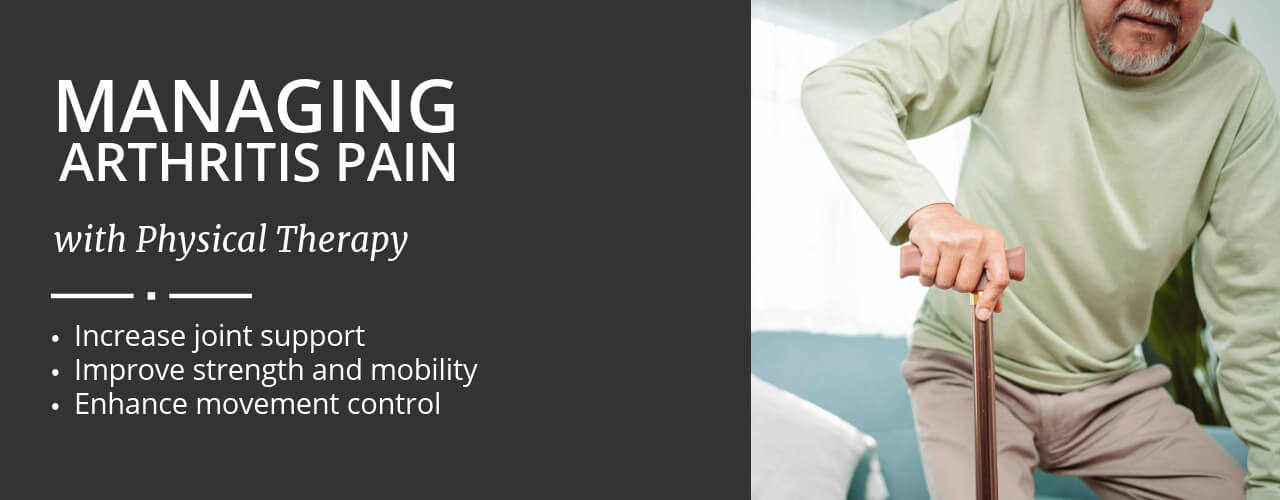
- For some individuals, canes, walkers, or orthotic devices may be recommended to provide support, improve stability, and encourage proper posture during walking.
Manual Therapy
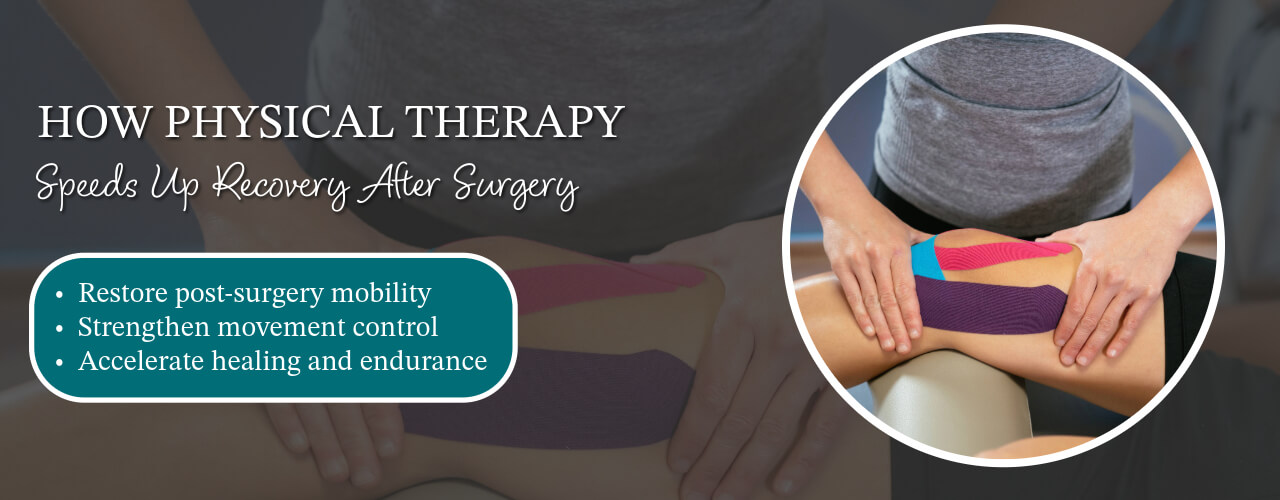
- Physical therapists may utilize hands-on techniques to improve joint mobility, stretch tight muscles, and facilitate more natural movement patterns.
Integrating Gait Training into Rehabilitation
- Successful gait training extends beyond specific exercises and techniques—it’s about integrating these strategies into a comprehensive rehabilitation program that addresses the overall functional goals of the patient.
What to Expect
Personalized Treatment Plans
- Tailoring gait training programs to address individual challenges, goals, and progress ensures a more effective and meaningful rehabilitation experience.
Education and Empowerment
- Educating patients on the principles of healthy gait, self-management techniques for at-home practice, and strategies to prevent future injuries is essential to empowering individuals in their recovery journey.
Taking Strides Toward Enhanced Mobility
If gait training sounds like the right approach for your rehabilitation needs, don’t hesitate to contact our clinic. Our experienced team is ready to support you through personalized gait training and rehabilitation services designed to help you achieve optimal mobility and independence.