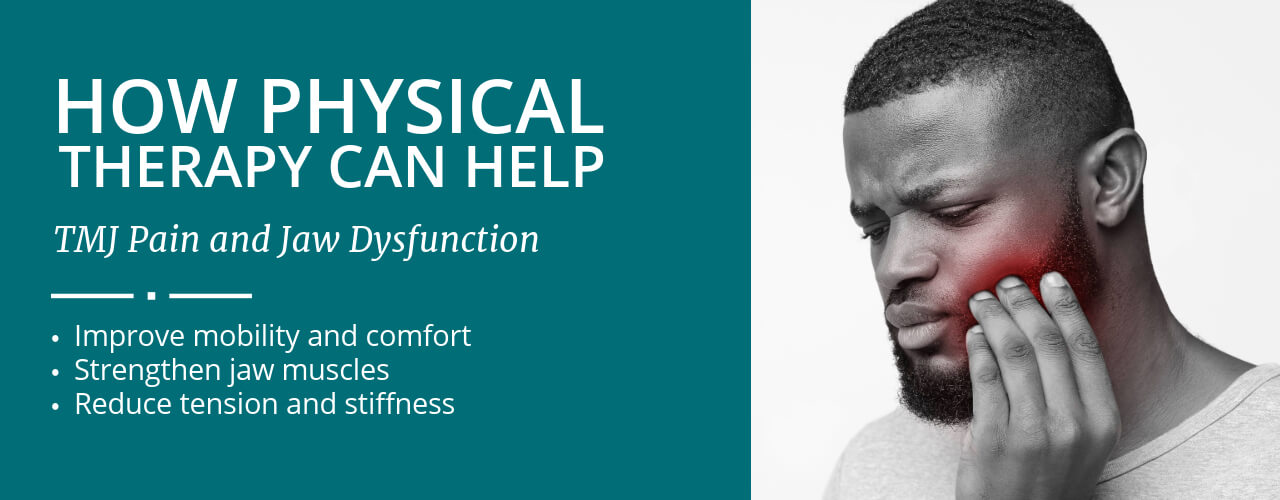
If you’re struggling with jaw pain, clicking sounds when you chew, or facial stiffness, you might be dealing with an issue in your temporomandibular joint (TMJ). Fortunately, TMJ physical therapy offers a highly effective, non-invasive way to address these symptoms and help you feel better.
At Professional Therapy Partners, we understand how much jaw discomfort can affect your daily life. That’s why we’ll work closely with you to develop a personalized treatment program to help you find relief.
Understanding the TMJ
The TMJ connects your jawbone to your skull and plays a crucial role in all manner of mouth movements, from talking to chewing to yawning. Because this joint moves so much throughout the day, it’s highly sensitive to stress and strain.
When the TMJ doesn’t work properly, it’s often referred to as temporomandibular joint dysfunction (TMD). TMJ physical therapy can be important for restoring comfort and normal function when problems arise. However, the first step is identifying the underlying factors contributing to your dysfunction.
Common Causes of TMD
Bruxism
- Bruxism is the medical term for grinding your teeth, which can place extra pressure on the TMJ.
Poor Posture
- Forward head posture can strain the muscles connected to the jaw.
Injury or Trauma
- A blow to the face or jaw can lead to joint damage.
Arthritis
- Osteoarthritis, in particular, can affect the TMJ, causing the cartilage in the joint to wear down.
Joint Imbalance
- Misaligned teeth or bite problems can cause uneven pressure on the TMJ.
Recognizing the Symptoms of TMJ Dysfunction
Signs of TMJ dysfunction can vary from person to person. However, if you notice any of the following, schedule an appointment at Professional Therapy Partners to get it checked out:
- Pain or tenderness in the jaw, face, or neck
- Clicking, popping, or grating sounds when opening or closing the mouth
- Difficulty chewing or pain while chewing
- Jaw stiffness or locking
- Headaches or earaches without an infection
- A feeling of misalignment when closing the mouth
How Physical Therapy Helps Relieve TMJ Pain
Physical therapy offers a wide range of strategies to address TMJ pain and improve jaw function. A customized TMJ physical therapy program will typically include the following:
Manual Therapy Techniques
Manual therapy often includes gentle stretching, massage, and trigger point release. These hands-on techniques relax tight muscles around the jaw, improve joint mobility, and reduce pain and inflammation.
Modalities for Pain Relief
Depending on your needs, we may use techniques such as hot or cold therapy, ultrasound, or electrical stimulation to reduce inflammation, improve blood flow, and alleviate pain.
Targeted Exercises
Simple jaw exercises will help stretch tight muscles, strengthen weak ones, and improve jaw movement and coordination. We’ll show you how to perform them in our clinic, but you can usually do them at home to further enhance your recovery.
Postural Training and Education
Poor posture is often a hidden contributor to TMJ issues, but our physical therapists can provide personalized training to correct any postural issues, such as head, neck, and shoulder alignment. We can help you strengthen your postural muscles and build habits that reduce strain on the jaw throughout the day.
Relaxation Techniques and Stress Management
Since stress often plays a role in TMJ dysfunction, we can show you breathing exercises and other relaxation techniques to reduce clenching and grinding in your jaw.
Take the First Step Toward Jaw Relief Today
TMJ pain and dysfunction can make even simple activities uncomfortable, but it isn’t something you have to live with. The Professional Therapy Partners team offers a natural, personalized approach to help you find lasting relief and get back to living your life comfortably.
If you are dealing with jaw pain, stiffness, or difficulty chewing, contact our Texas and New Mexico clinic today to schedule an appointment. Our team is ready to help you move and feel better with a customized TMJ physical therapy plan.