
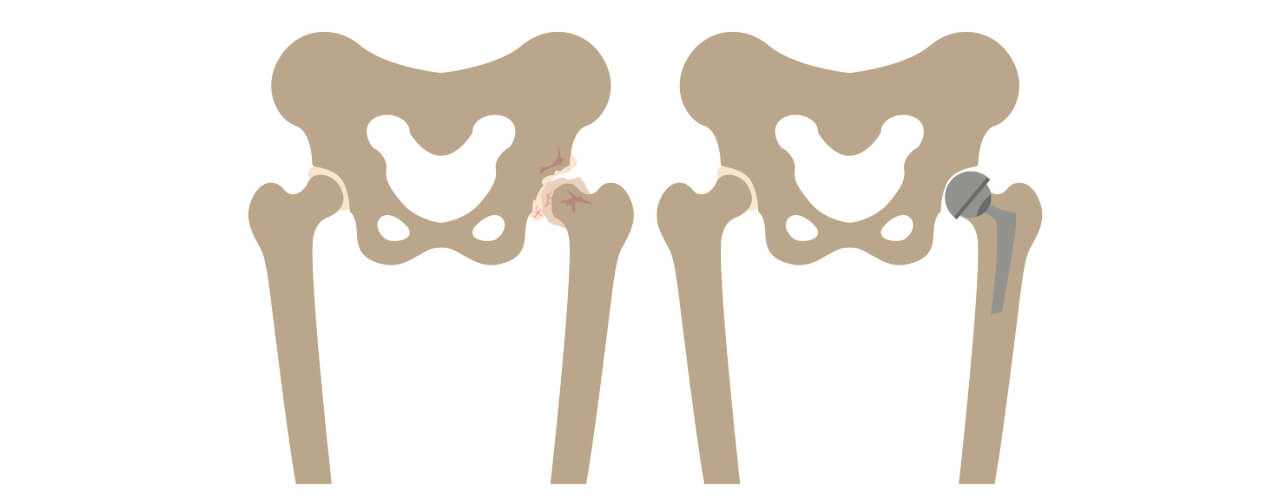
Are you or a loved one facing the challenges of hip replacement surgery? Meet John (not his real name), a 65-year-old retiree who had severe hip pain for years due to osteoarthritis. Despite trying various conservative treatments, his hip pain continued to worsen, impacting his ability to enjoy activities like walking, gardening, and playing with his grandchildren. After consulting with his orthopedic surgeon, John opted to undergo hip replacement surgery to regain his quality of life. Hip replacement rehab is crucial during recovery, helping individuals like John to rebuild mobility and independence. Hip replacement surgery paired with a comprehensive physical therapy rehab program offers hope for a return to an active and pain-free life.
Ready to get started with physical therapy for hip replacement? Contact Professional Therapy Services in Texas or Integration Therapy in Santa Fe today to learn more!
Understanding Hip Replacement and Its Challenges
After hip replacement surgery, individuals may encounter various challenges during their recovery journey.
Common Challenges Post-Surgery
Pain Management
- Following hip replacement, patients often experience pain and discomfort as the surgical site heals. This pain can limit mobility and hinder daily activities. Pain after hip replacement surgery may be present in the hip joint itself, as well as in surrounding muscles and tissues.
Limited Range of Motion
- Stiffness and reduced range of motion in the hip joint are common challenges post-surgery, particularly in the initial recovery phase. After hip replacement, scar tissue formation and muscle weakness can contribute to limited mobility and flexibility in the hip joint.
Muscle Weakness
- Surgery and immobility can lead to muscle weakness in the hip and surrounding areas, affecting functional movements and stability. During the recovery process, muscles may weaken due to disuse and surgical trauma.
Gait Abnormalities
- Changes in walking patterns, limping or favoring one side, may occur post-hip replacement, impacting mobility and increasing the risk of falls. Gait abnormalities can result from pain, muscle weakness, joint stiffness, or improper movement patterns.
The Hip Replacement Rehab Journey
The hip replacement rehab journey typically follows a structured progression guided by physical therapists to optimize outcomes and promote a successful recovery. Here’s a general overview of what patients can expect during the rehab process:
Immediate Post-Surgery Care
- In the hospital or rehabilitation facility, patients receive initial post-operative care, including pain management, wound care, and early mobilization guided by medical staff.
Early Rehabilitation Phase (1-6 Weeks)
- Upon discharge, patients begin outpatient physical therapy to address pain and swelling and regain mobility. Therapeutic exercises focus on gentle range of motion, strengthening, and gait training with assistive devices as needed.
Intermediate Rehabilitation Phase (6-12 Weeks)
- As patients heal, their physical therapy sessions become more intensive, emphasizing progressive strengthening, flexibility, and balance exercises. Patients work toward restoring gait patterns, improving joint stability, and increasing endurance.
Advanced Rehabilitation Phase (Beyond 12 Weeks)
- In the final phase of rehab, therapy focuses on functional activities and returning to a pre-surgery level of activity. Patients continue to build strength, endurance, and confidence in independently performing daily tasks and recreational activities.
Throughout rehabilitation, open communication between patients, physical therapists, and other healthcare providers is essential to address challenges, set realistic goals, and achieve optimal outcomes.
The Road to Recovery: A Guided Hip Replacement Rehab Journey
Physical therapy is crucial in hip replacement rehab, helping to restore strength, flexibility, and mobility to the hip joint. During physical therapy sessions, patients like John can expect personalized treatment plans tailored to their needs and goals.
John’s Physical Therapy Experience: Techniques for Hip Replacement Rehab
Therapeutic Exercises
- John participated in targeted exercises to strengthen the muscles around his hip joint and improve flexibility.
Manual Therapy
- His physical therapist performed hands-on techniques to mobilize and manipulate the hip joint, aiding in pain relief and improved range of motion.
Gait Training
- With assistance, John practiced walking and balance exercises to help him regain confidence in his mobility and prevent falls.
Modalities
- John received treatments, including electrical stimulation, to alleviate pain and promote healing.
Education and Home Exercise Program
- John learned about his condition and received exercises to continue at home.
Taking Steps Towards Hip Replacement Rehab Success
If you have hip replacement surgery scheduled, don’t hesitate to seek physical therapy. Our experienced team can help you navigate the rehab process and work towards a successful recovery, just like we did with John. Call our team to learn about hip replacement rehab.