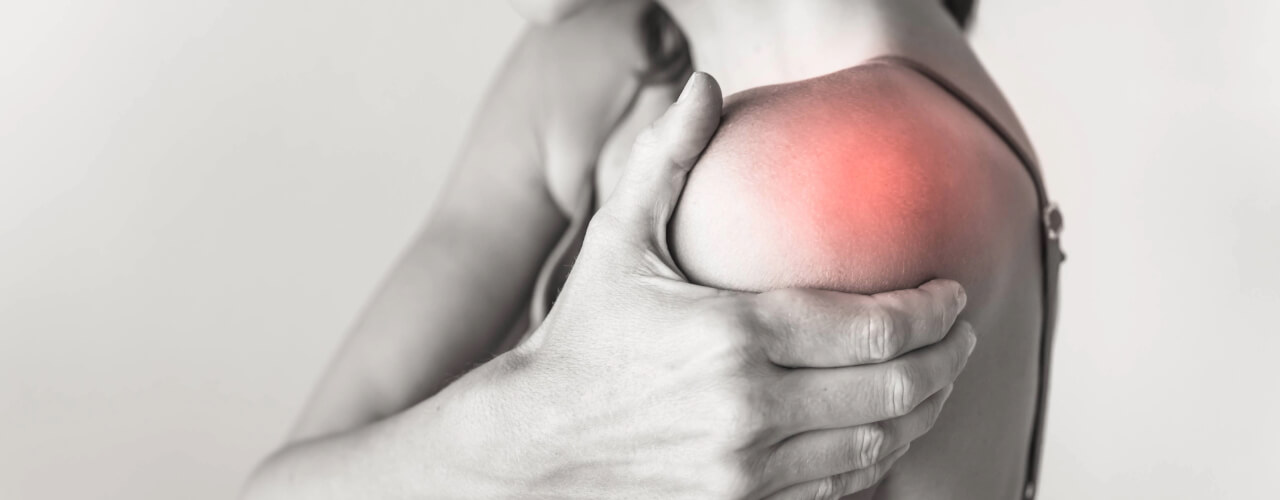
Matt (not his real name), an avid golfer and active individual, underwent surgery to address a debilitating rotator cuff injury. Before the surgery, he struggled with persistent shoulder pain, limited mobility, and difficulty performing simple tasks like lifting and reaching. As someone who valued staying active and enjoyed outdoor pursuits like golfing, Matt felt frustrated and discouraged by the limitations imposed by his shoulder injury. However, he was hopeful that undergoing surgery and subsequent rotator cuff repair rehab would help him regain mobility and strength and return to the activities he loves.
What to Expect After Surgery: Roadmap to Healing
In the aftermath of rotator cuff repair, individuals like Matt often encounter challenges, including pain, stiffness, weakness, and limited range of motion in the shoulder. The general timeline for addressing these challenges and rehabilitating after a rotator cuff repair typically involves four stages.
Stages of Rotator Cuff Repair Rehab
Immediate Post-Surgery Phase (0-6 weeks)
- Matt experienced pain and discomfort in his shoulder immediately after the surgery. During this phase, the focus is on pain management, protection of the surgical site, and gentle movement to prevent stiffness. Physical therapy sessions included passive range-of-motion exercises, gentle stretching, and basic strengthening exercises to help Matt regain limited mobility without aggravating the surgical site.
Intermediate Phase (6-12 weeks)
- As Matt healed, physical therapy became more focused on gradually increasing his range of motion and strength in his shoulder. Despite feeling some improvement, he still struggled with weakness and limited mobility. Therapists worked closely with Matt to address these issues, introducing more challenging exercises, including active-assisted range-of-motion and rotator cuff strengthening exercises. Matt also began proprioceptive training to improve joint awareness and stability, which was particularly important for someone like him who enjoyed staying active.
Advanced Strengthening Phase (12-24 weeks)
- By this stage, Matt had significant improvement in his strength and mobility. However, he still experienced occasional discomfort and fatigue during more demanding activities. Functional exercises and sport-specific activities were incorporated to prepare Matt for a return to his hobbies, such as playing golf. Therapists focused on further strengthening the muscles around Matt’s shoulder joint to improve stability and function. They incorporated resistance exercises using bands, weights, or resistance machines to target specific muscle groups.
Return to Activity Phase (24 weeks and beyond)
- As Matt neared the end of his rehabilitation journey, the focus shifted toward gradually returning to normal activities, including golfing. Therapists educated Matt on proper technique, posture, and modifications to prevent future shoulder problems while ensuring Matt can safely resume his activities without risking reinjury.
Throughout the rehabilitation process, Matt actively participated in his recovery, adhering to his home exercise program, attending therapy sessions regularly, and communicating any concerns or setbacks to his healthcare team. His dedication and commitment, combined with the expertise of his therapists, contributed to his successful rehabilitation journey.
Exploring Effective Treatment Methods for Rotator Cuff Repair
Physical therapy is a crucial component of any rotator cuff repair rehab. Under the guidance of skilled therapists, he received personalized treatment plans tailored to his needs.
Matt’s Rotator Cuff Repair Rehab: What to Expect
Manual Therapy
- Matt’s physical therapist utilized hands-on techniques, including soft tissue manipulation and joint mobilization, to alleviate stiffness and improve flexibility in his shoulder following rotator cuff repair surgery. These manual therapy interventions helped reduce muscle tension and promote healing in the injured tissues.
Therapeutic Exercises
- Throughout his rehabilitation, Matt performed a series of therapeutic exercises prescribed by his physical therapist to strengthen his rotator cuff muscles and improve shoulder stability. These exercises, including pendulum exercises and rotator cuff strengthening drills, were tailored to Matt’s needs and gradually progressed as he regained strength and range of motion.
Activity Modification
- Matt’s physical therapist advised him to modify his daily activities and work-related tasks to avoid exacerbating his rotator cuff injury. By temporarily avoiding overhead movements and heavy lifting, Matt minimized stress on his healing shoulder and optimized recovery.
Functional Training
- Functional exercises were integrated into Matt’s rehabilitation program to improve his movement patterns and enhance shoulder function for everyday activities. These exercises, designed to simulate real-life movements and challenges, helped restore Matt’s shoulder strength, stability, and coordination, facilitating his return to work and recreational pursuits.
Progressive Return to Activity
- As Matt progressed through his rehabilitation, his physical therapist guided him through a gradual return to his desired activities and sports participation. By developing a customized return-to-sport program tailored to Matt’s goals and functional abilities, his therapist ensured a safe and effective transition back to activity while minimizing the risk of injury.
Elevate Your Recovery: Conquering Rotator Cuff Repair with Confidence
Seeking physical therapy for rotator cuff repair is more than just a step towards recovery; it’s a pathway to reclaiming independence and enjoying life to the fullest. If you have rotator cuff repair surgery scheduled, contact Professional Therapy Services in Texas or Integration Therapy in Santa Fe today today to learn how rotator cuff repair rehab can help you return to what you love post-surgery.