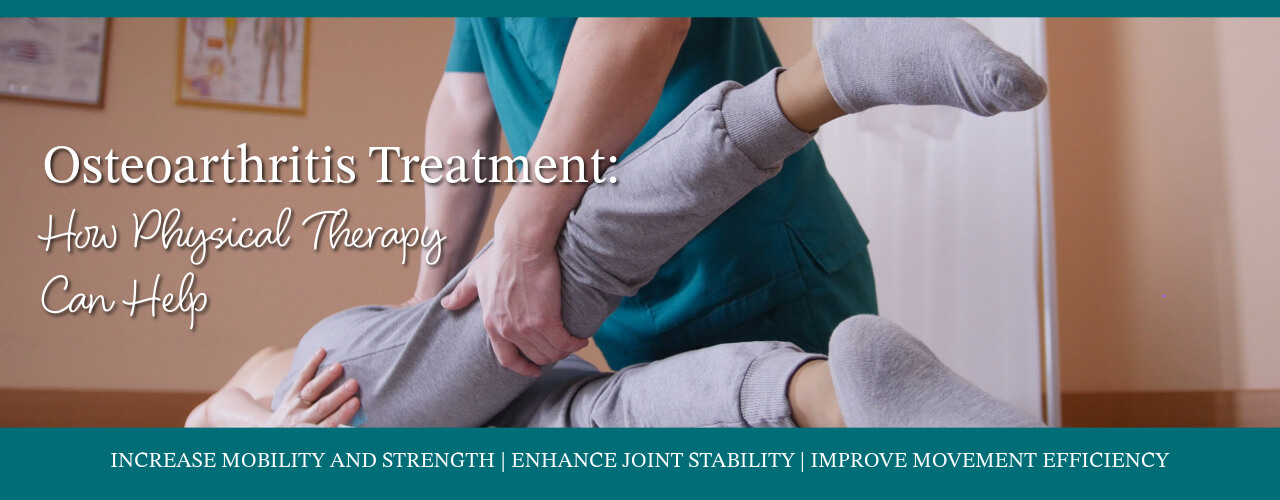

If you’re experiencing stiffness, joint pain, or reduced mobility, acting promptly can lead to better outcomes. The benefits of early arthritis care go beyond symptom relief; initiating physical therapy early can help maintain joint function, support mobility, and enhance your quality of life before limitations become more challenging to address. Delaying care may result in increased discomfort and long-term mobility issues.
At Professional Therapy Partners, our physical therapists focus on movement-based, evidence-informed care plans tailored to your current needs. Whether you’ve just been diagnosed or are noticing early signs of joint discomfort, physical therapy can assist you in moving more freely and feeling more empowered.
Move It or Lose It: Simple Steps to Embrace the Benefits of Early Arthritis Care
Wondering how to take charge today to slow progression and stay active? Here’s a checklist of straightforward, effective strategies our physical therapists recommend. These tips underscore the benefits of early arthritis care and offer practical steps to stay ahead of your symptoms.
Book a Movement Check-Up with a Physical Therapist
Early physical therapy begins with understanding how arthritis affects your movement. This includes assessing joint alignment, range of motion, gait mechanics, and muscle strength.
What To Do
Schedule an assessment even if your symptoms are mild. Identifying movement limitations allows for timely intervention and improved long-term outcomes and highlights the benefits of early arthritis care.
Incorporate Gentle Daily Movements
Joint stiffness often worsens with inactivity. Maintaining gentle daily movement can prevent further restriction and support joint health.
What To Do
Include light joint mobility exercises like shoulder rolls, ankle circles, or wrist stretches each morning. Ensure movements are pain-free and consistent.
Warm Up with Heat Before Activity
Applying warmth to stiff joints before exercise can ease discomfort and improve flexibility, facilitating easier movement.
What To Do
Take a warm shower or use a heating pad for 10 to 15 minutes before starting your daily movement routine. Always check skin sensitivity before applying heat.
Strengthen Muscles to Support Joints
Muscle weakness can increase pressure on arthritic joints. Strengthening surrounding muscles can enhance function and reduce discomfort during daily tasks.
What To Do
Focus on general strength-building under the guidance of a physical therapist. Resistance bands and body-weight exercises are often a safe starting point.
Break Up Long Periods of Inactivity
Prolonged stillness can lead to increased stiffness. Even low-intensity movement every hour can be beneficial.
What To Do
Set a timer to stand up and walk around every 30 to 60 minutes if you’re sedentary for extended periods. Movement supports joint lubrication and circulation.
Use Joint-Friendly Techniques in Daily Tasks
Modifying how you perform daily activities can minimize flare-ups and protect joint health.
What To Do
Use both hands to lift heavier items, carry objects closer to your body, and utilize assistive tools (like jar openers or ergonomic utensils) to reduce strain.
Differentiate Between Discomfort and Pain
Some soreness is normal during activity, but sharp or lingering pain should be addressed.
What To Do
Collaborate with your physical therapist to understand your body’s signals. This knowledge will help you move safely while making progress.
Choose Low-Impact Cardio Activities
Gentle aerobic exercises keep joints moving without excessive stress.
What To Do
Begin with activities like walking, stationary biking, or aquatic exercises. These are gentle on the joints and improve endurance and circulation.
Stay Active, Even on Low-Energy Days
Skipping movement entirely on flare-up days can lead to increased stiffness and reduced mobility.
What To Do
Adjust the intensity, but aim to include some movement. Your physical therapist can help develop a plan with safe, light activity options for such days.
Early Action, Lasting Benefits
The benefits of early arthritis care are evident: addressing mobility, discomfort, and function as soon as possible increases the likelihood of preserving joint health and maintaining an active lifestyle. Physical therapy provides tools, guidance, and support to help you achieve these goals.
At Professional Therapy Partners, we develop personalized plans centered on your objectives—whether that’s returning to gardening, keeping up with grandchildren, or simply walking with greater ease. Our therapists collaborate with you to proactively manage arthritis.
Contact Professional Therapy Partners today to schedule your arthritis movement assessment and embark on a care plan that promotes mobility, independence, and confidence in your movements.